
Sometimes, the biggest changes in your skin aren’t dramatic. They’re the little things you notice while getting ready in the morning. Makeup settles into fine lines, old acne scars become more noticeable, and your complexion doesn’t feel quite as smooth as it once did. Even with a consistent skincare routine, certain concerns can be difficult to improve with topical products alone.
That’s where skin rejuvenation treatments like microneedling come into the picture. By creating controlled micro-injuries in the skin, microneedling encourages natural repair processes that can gradually improve texture, soften fine lines, and reduce the appearance of certain acne scars.
For patients considering microneedling in Saratoga, NY, understanding the procedure is just as important as knowing its benefits. Keep reading to discover how the treatment works, what recovery looks like, and what kind of results you can realistically expect.
8 Things to Know About Microneedling
Microneedling has become a popular option for patients who want noticeable improvements in skin quality without undergoing surgery. However, understanding what happens during and after treatment can help you decide whether it’s appropriate for your concerns.
1. Microneedling Works With Your Skin’s Natural Repair Process
Your skin has an impressive ability to repair itself, but that process changes as you age. Collagen production gradually declines, and environmental damage can contribute to roughness, wrinkles, and uneven texture.
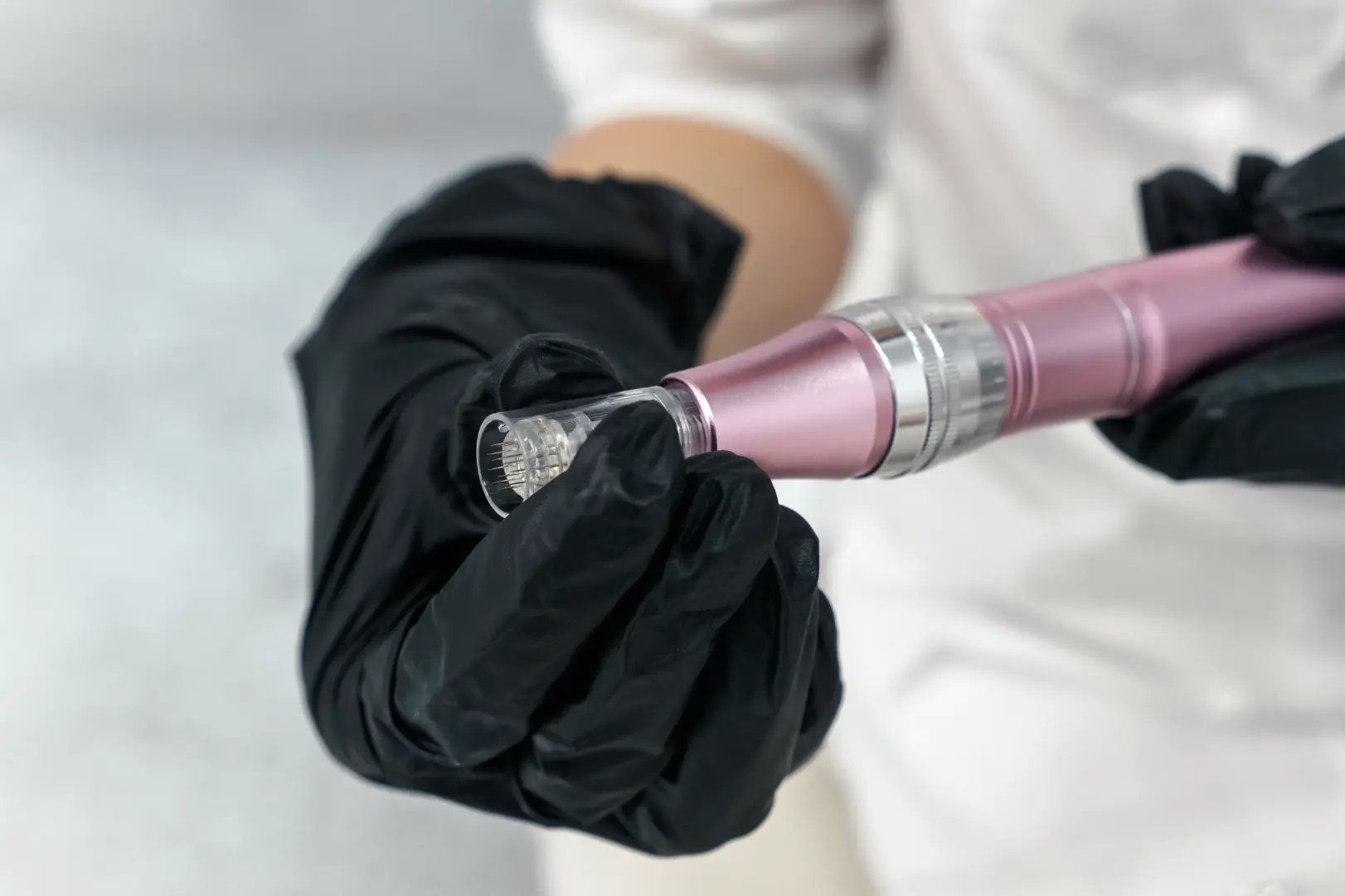
Microneedling works by creating tiny, controlled punctures in the skin using a device equipped with fine needles. These micro-injuries activate biological processes involved in tissue repair.
One important part of this response is collagen stimulation. Collagen provides structural support to the skin, while elastin contributes to its ability to stretch and return to its original shape. As the treated skin heals, gradual remodeling may improve its appearance and texture. This process takes time because new collagen doesn’t develop overnight.
Unlike treatments that primarily work on the skin’s surface, microneedling creates controlled changes within the treated tissue. The depth of treatment can be adjusted according to the area and clinical concern. A professional assessment helps determine the appropriate technique, especially when treating delicate areas or deeper acne scarring.
2. It Can Improve Uneven Skin Texture
One of the most noticeable signs of changing skin quality is an uneven surface. Your complexion may feel rough, appear dull, or develop small irregularities that become more visible under certain lighting. These changes can result from aging, previous breakouts, sun exposure, and other factors.
A microneedling treatment may help improve the appearance of mild textural irregularities by encouraging gradual tissue remodeling. As the skin heals, some patients notice that their complexion feels smoother and looks more refined. These improvements generally develop over several weeks rather than immediately after the appointment.
It’s important to remember that not every textural concern responds equally well. Enlarged pores, deep scars, and significant skin laxity may require different approaches or a combination of treatments.
Patients should also distinguish between actual changes in skin structure and temporary improvements caused by hydration or post-treatment swelling. A smoother-looking complexion is a realistic goal for many patients, but results depend on individual skin characteristics and the treatment plan.
3. Acne Scars May Become Less Noticeable
Acne doesn’t always disappear without leaving something behind. For some people, breakouts result in depressed scars that remain visible long after the inflammation has resolved. These scars develop when the skin’s healing process produces insufficient or irregular collagen in the affected area.
Microneedling is commonly used to improve certain types of atrophic acne scars, particularly shallower rolling and boxcar scars. By stimulating remodeling within the skin, the treatment may gradually soften the appearance of these depressions.
However, scar type matters considerably. Deep ice-pick scars often respond less favorably to microneedling alone. Some tethered scars may benefit from procedures such as subcision, while other scar patterns may require different treatments.
Active inflammatory acne should generally be controlled before microneedling because treating inflamed areas can increase irritation and other complications. Patients with a history of significant scarring may need several sessions before noticing meaningful changes. The goal is usually to improve the appearance of existing scars rather than promise their complete removal.
4. Fine Lines Can Look Softer
Fine lines often appear gradually around the eyes, mouth, and other areas where the skin naturally moves. Over time, changes in collagen and elasticity can make these lines more noticeable.
Microneedling may help soften some superficial wrinkles through gradual collagen remodeling. Among the commonly discussed microneedling benefits is improvement in overall skin smoothness, which can make certain fine lines appear less prominent.
However, microneedling doesn’t work in the same way as wrinkle-relaxing injections. Dynamic wrinkles, which develop from repeated muscle movement, may respond better to treatments that temporarily relax the underlying muscles. Deeper folds and substantial volume loss may require other approaches.
Microneedling is generally better suited to improving skin quality than creating dramatic structural changes. For patients seeking a natural-looking improvement, this distinction can be helpful.
The objective is to support healthier-looking skin while preserving the features that make your face unique. Realistic expectations are especially important when evaluating treatments for age-related concerns.
5. RF Microneedling Adds Another Dimension
Traditional microneedling relies on controlled needle penetration to initiate tissue repair. Radiofrequency microneedling combines that process with energy delivered into the skin. RF energy produces controlled heating in targeted tissue, which may contribute to collagen remodeling and improvements in certain textural concerns.
At The Hebe Medical Spa, treatment information describes radiofrequency microneedling using Lutronic Genius technology. The practice also discusses combining RF microneedling with PepFactors as part of its approach to skin rejuvenation.
The Genius platform uses insulated microneedles to deliver radiofrequency energy at selected depths. Treatment settings are adjusted according to clinical goals and patient characteristics. RF microneedling may be considered for concerns such as fine lines, acne scarring, and mild skin laxity.
However, adding radiofrequency energy also introduces different risks. These may include burns, pigment changes, scarring, and, in some circumstances, unwanted fat loss or nerve injury. Proper patient selection, device settings, and provider training are particularly important.
Neither traditional nor RF microneedling should be described as completely risk-free. The appropriate choice depends on your skin condition, medical history, and desired outcome.
6. Treatment Can Be Personalized
No two complexions have exactly the same needs. One patient may be primarily concerned about acne scars, while another wants to address fine lines and uneven texture. This is why microneedling shouldn’t follow a completely identical protocol for everyone.
Needle depth, treatment intensity, session spacing, and the areas being treated can vary according to individual needs. For example, thinner facial areas generally require different considerations than regions with thicker skin. Scar treatment may also involve a different approach from procedures intended for superficial texture concerns.
Skin tone matters, too. Although microneedling can be suitable for a range of skin tones, patients prone to post-inflammatory hyperpigmentation require thoughtful treatment planning. Medical history can influence candidacy as well.
Certain skin infections, active inflammatory conditions, poor wound healing, and medications may affect whether treatment should proceed. For patients researching microneedling in Saratoga Springs, an individualized consultation provides an opportunity to discuss these factors before scheduling a procedure.
A personalized plan is about selecting appropriate treatment settings and expectations, not simply choosing the most intensive option available.
7. Comfort Measures Make Treatment More Manageable
The thought of tiny needles entering your skin might sound intimidating. Fortunately, professional microneedling appointments typically include steps intended to make the experience more comfortable. A topical numbing medication may be applied before treatment, depending on the technique being used.
At The Hebe Medical Spa, treatment information describes using a numbing solution to reduce discomfort during RF microneedling. Patients may still experience sensations of pressure, prickling, warmth, or brief discomfort during the procedure.
The intensity can vary depending on the treatment area, needle depth, and whether radiofrequency energy is involved. Sensitive regions may feel different from areas with thicker skin. Patients should communicate discomfort during treatment so the provider can assess whether adjustments are appropriate.
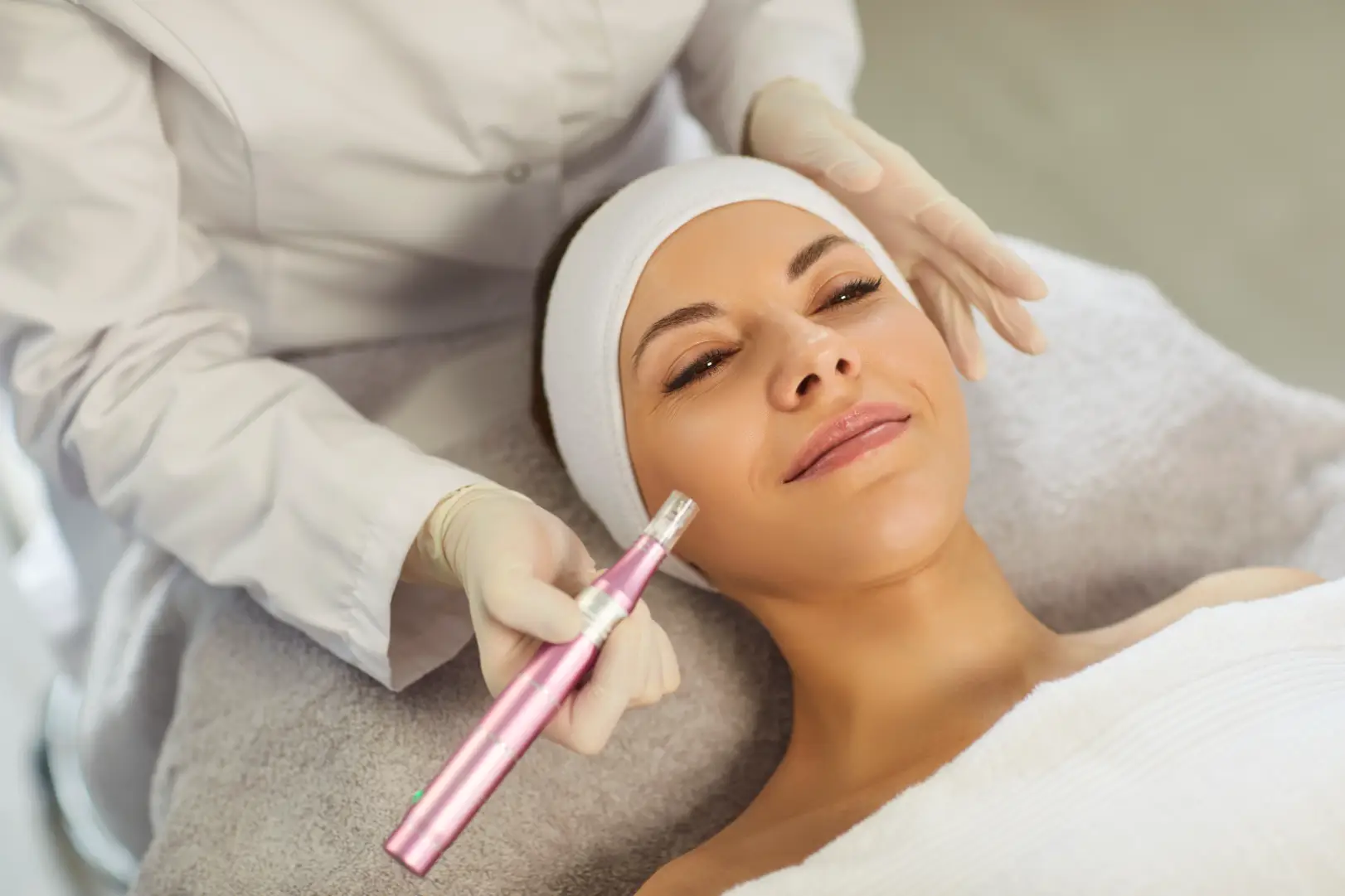
The appointment generally begins with cleansing and preparing the skin. The provider then moves the device across selected treatment areas according to the planned protocol. Treatment duration depends on the size of the area and the technology used.
Afterward, temporary redness and sensitivity are common as the skin begins its healing process.

8. Recovery Is Usually Manageable
One reason patients consider microneedling is that recovery may be shorter than with more aggressive resurfacing procedures. However, the skin still needs time to heal. Immediately after treatment, the complexion may look red or flushed, similar to a mild sunburn.
Some patients also experience swelling, tenderness, tightness, or temporary pinpoint bleeding. With conventional microneedling, visible redness often improves within several days. More intensive treatments, including certain RF protocols, may involve a longer or different recovery pattern.
Your provider should explain the expected microneedling recovery timeline based on the specific procedure performed. During the initial healing period, patients are generally advised to follow a gentle skincare routine and avoid activities or products that could aggravate the treated skin.
Common aftercare recommendations may include:
- Using a gentle cleanser and approved moisturizer
- Avoiding harsh exfoliants and irritating active ingredients temporarily
- Limiting excessive heat, heavy sweating, and friction during early recovery
- Protecting the skin from direct sunlight
- Following instructions about makeup and when to resume regular skincare products
Exact restrictions depend on the procedure and your provider’s instructions. Increasing pain, spreading redness, pus, fever, or unusual skin changes should be reported promptly because these symptoms may indicate a complication.
Discover Personalized Skin Care in Saratoga
Smoother texture, softer fine lines, and less noticeable acne scars don’t always require an aggressive approach. With appropriate patient selection and realistic expectations, microneedling can be a valuable part of a broader skin rejuvenation plan.
At The Hebe Medical Spa in Fishkill, Latham, and Saratoga, NY, patients can explore personalized microneedling options, including radiofrequency-based treatments, to address their individual skin concerns.
Call us today to book your consultation!